

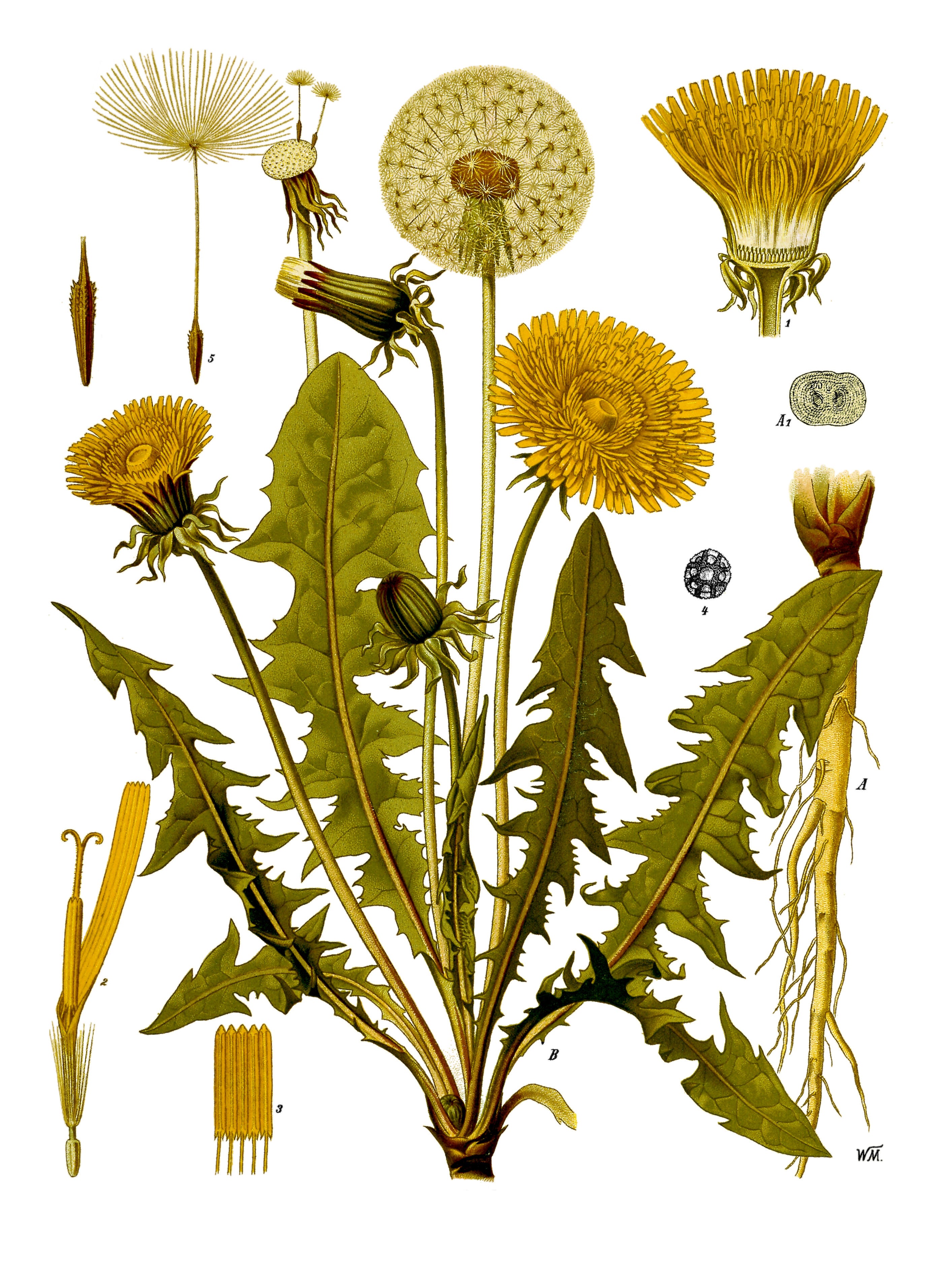
I was diagnosed with an acute (later chronic) autoimmune bleeding disorder at age five, before I had language for what was happening, before I could form a concept of illness or health or the boundary between them.
My condition was my introduction to the possibility of a conscious relationship to sickness. My grandfather had died of cancer, but my own autoimmunity showed me that I myself am mortal, and that I need help, that I need people who know how to care for my health. I turned 30 last february.
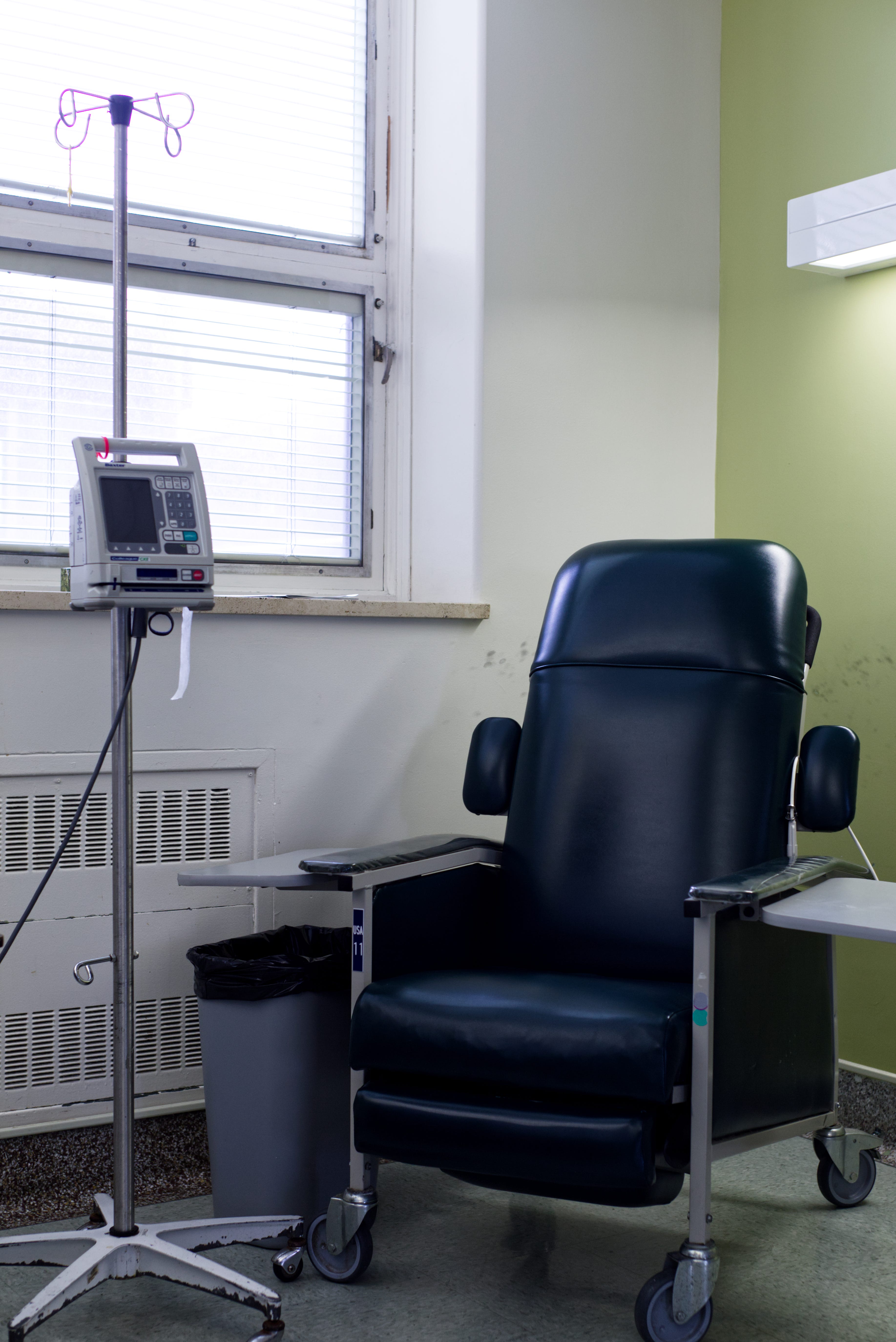
Picture this: a clear bag of liquid hangs from a pole beside the chair, and the fluid moves through a length of tubing into the vein at the inside of the elbow. The transfusion takes four hours. What enters the bloodstream is a concentrate of plasma pooled from roughly ten thousand human donors, a concentrated antibody extract, suspended in saline, sterilized, refrigerated, warmed to room temperature, and administered at a rate the body will tolerate.
The body receiving it was mine. The product, strictly speaking, is other people’s bodies. Their immune histories, their encounters with pathogens and pollen and food proteins, their geographies and microbiomes and the specific way each of their bodies learned to recognize self from not-self: all of this is in the bag. It enters my bloodstream and becomes the functional arm of my immune system for a few weeks.
What kind of system distills the immune material of fifteen thousand strangers, pumps it into another body, and calls it medicine? It’s large-scale industrial alchemy. It’s also the substrate of my theorizing and practicing.
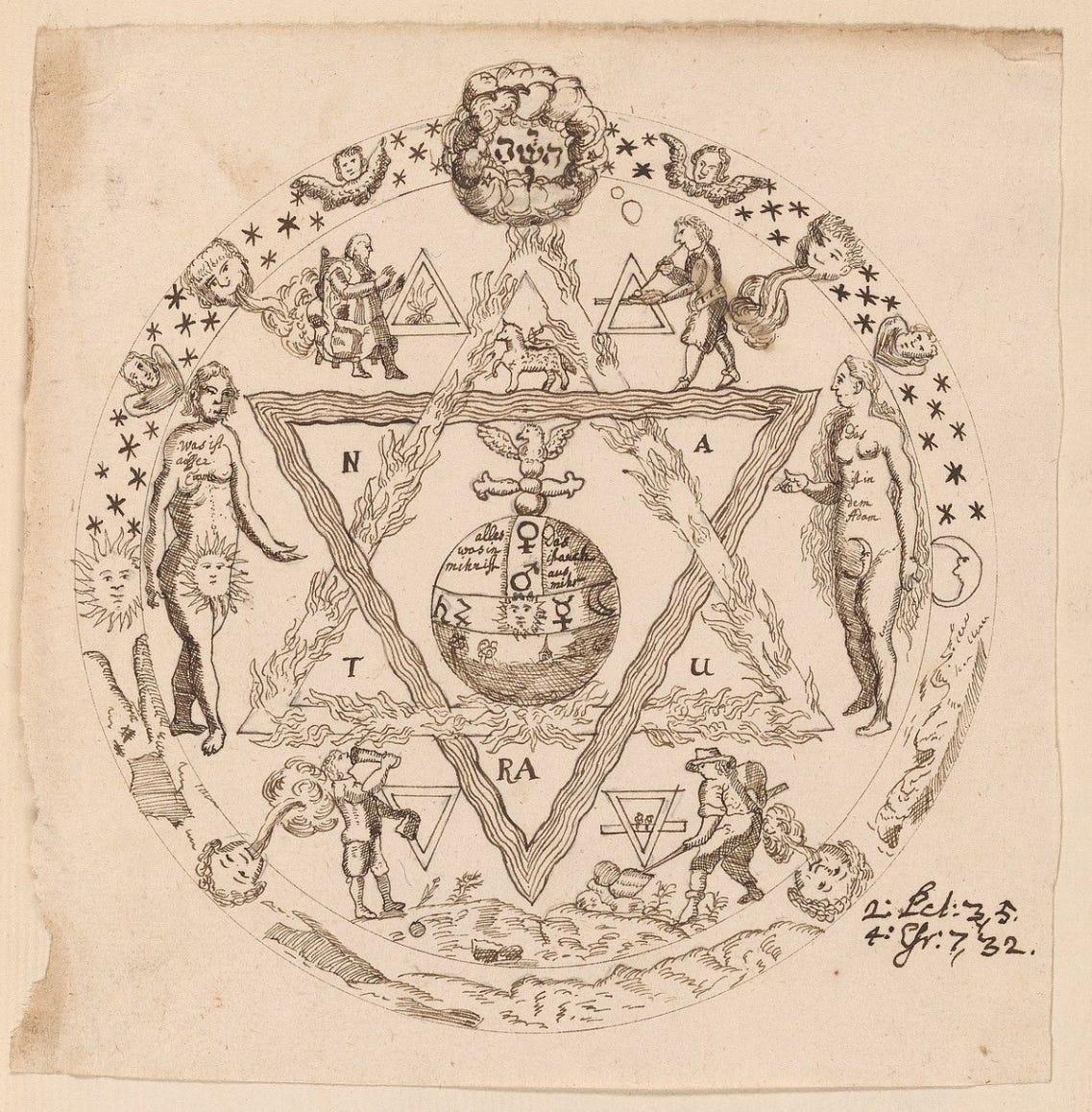
The autoimmune body arrives in the world already open, already in relationship with what preceded it. The immune system responds to terrain. The terrain is ancestral, ecological, epigenetic, and collective. The terrain is what the body swims in. You cannot close a system that was never closed. Mind-body split? I can hardly believe we had a few centuries of such nonsense.
The last few decades of psychoneuroimmunology have finally mapped the physical pathways of our porousness in the language of modern science: peripheral sensory and autonomic neurons co-localize with immune cells at discrete anatomical sites, forming what researchers now call neuroimmune units.[1] Neurons seem to directly modulate immune function.[2] That implies the molecules of emotion have dedicated docking stations on the surface of immune cells. A 2002 review in Psychosomatic Medicine concluded there were “sufficient data to conclude that immune modulation by psychosocial stressors or interventions can lead to actual health changes.”[3] More recent work characterizes the field as “trans-diagnostic, trans-methodological,” one that “closes the psychosomatic division between the mind and the body.”[4]
Planetary health research zooms out and traces the same pattern writ large. Adverse macroscale ecology penetrates to the molecular level of personal and microscale ecology, reaching the microbial systems at the foundations of all ecosystems.[5] That means that large-scale ecological events have effects at the level of the individual and the invisible.
Allergic and autoimmune conditions are measures of environmental impact on human health. What happens to the watershed happens to the blood. The healthcare sector itself, if ranked as a country, would be the fifth largest emitter of carbon dioxide on Earth, responsible for 4.4 percent of global net emissions.[6] The institutions of healthcare were ostensibly built to respond to the body’s openness and steer it towards health. Meanwhile, global industrial healthcare is itself a driver of the ecological disruption that enters the body.
But it doesn’t have to be this way. Good news from the scientific literature: nature-based health interventions, what some researchers call, uninventively, “green prescriptions,” have demonstrated measurable effectiveness in promoting health while fostering environmental stewardship, a double movement that industrial pharmaceutical production cannot claim.[7] The closed system, the atomized individual human being falling sick from “internal” causes, is a story people tell while evidence against it accumulates in the tissue of people who never agreed to be the control group.
An open-system apprehension of the human as a relational ecology is epistemology and ontology, ways of knowing ways of being. The institutional recommendations for managing global health are downstream from ways of Knowing and Being. Policy is downstream of epistemology.
What follows a different way of knowing is the possibility of different forms of healthcare. These ways are already here in potentiality, and sometimes in actuality. Care that gives as much weight to dream incubation as to alkaloid chemistry, to the movement of fluid across fascia as to the scalpel, to the collective as to the individual. This healthcare is here now.
Let’s start with the fact that most of the world already practices open-system healthcare. 80% of the global population uses some form of traditional, complementary, or integrative medicine, usually alongside biomedicine.[8] The World Health Organization’s Traditional Medicine Strategy for 2025 to 2034 prioritizes integration into national health systems, regulatory mechanisms for safety and quality, and cross-sectoral collaboration.[9]
90 WHO member states now have national traditional medicine policies; in 1999, there were 25. 116 have herbal medicine regulations, up from 65. The WHO Global Traditional Medicine Centre, consolidated in 2025 from previously fragmented portfolios into a single centre in Jamnagar, Gujarat, launched a Global Library of 1.6 million publications, piloted integration for traditional medicine classification, and screened over a thousand innovation submissions through its Health Heritage Innovations initiative.
In December 2025, the second WHO Global Summit on Traditional Medicine drew 103 countries, 25 ministers, and produced the Delhi Declaration, with 27 member states making specific, measurable commitments to integrate traditional medicine into primary health care.[10] The global traditional medicine market is projected to reach 359 billion dollars by 2032. National academic consortia for integrative medicine have formed in the United States, Brazil, the Netherlands, and Germany.
The policy machinery has already shifted, but policy is chasing a reality that already exists on the ground. In rural Guatemala, researchers found a syncretistic local health system where “practitioners in both [biomedical and traditional] settings employ elements of the other in order to best meet community needs.”[11] The practitioners work across systems, borrowing each other’s methods because they serve actual people, those people need both systems, and no one cares about the arbitrary knowledge-system border between them. The integration is already happening at the level of bodies and relationships, and it works. It is only the official narrative that lags behind.
Ninety-five percent of WHO member states cite lack of research data as the key barrier to integration.[9-1] The data they lack is data that fits the institutional form. The knowledge that does not fit is not counted as knowledge. The recognition of traditional medicine by global health infrastructure may be simultaneously its preservation and its enclosure. A Global Library is an archive, potentially a museum, in which we will reminisce about all the practices the earth once held. The WHO calls this integration. The global health apparatus measures integration in policy documents and regulatory frameworks, while sick people measure it in whether their sickness settles, digestion returns, and the toxic residue of what they couldn’t metabolize moves through and out of their bodies.
Herbalism is an example of work that is both economically sound and medically effective. Research infrastructure exists for measuring herbalism, too. In 2024, a systematic analysis of 1,517 herbal medicine clinical trials found that the majority employed randomized, double-blind, parallel designs with placebos, the same methodology used for pharmaceutical trials.[12] A review of 25 meta-analyses on medicinal plants for type 2 diabetes found that several plants “appear to be as effective as conventional antidiabetic treatments for reducing HbA1c,” with aloe vera leaf gel, psyllium fiber, and fenugreek seeds showing the largest effects.[13] A meta-analysis of 49 randomized controlled trials on herbal remedies for functional dyspepsia, covering nearly seven thousand subjects, found that when comparing herbal remedies with conventional medicine, “no outcomes were significantly different.”[14]
Comparable efficacy, better safety profiles. The evidence is substantial and growing, and it is almost entirely framed as preliminary, as requiring further research, as promising but not definitive. The same evidence standard that certifies a pharmaceutical drug as effective finds herbal medicine perpetually almost-there.
But the resource argument may matter more than the efficacy argument. About one third of the top-selling pharmaceutical products are derived from plants or microorganisms.[15] The molecular compounds that become patented medications begin in the same leaves and roots that herbal medicine uses directly. The difference is in the processing, the patenting, the profit extraction, and the resource footprint that transforms a plant into a pharmaceutical commodity.
Herbalism is a direct scientific practice involving plants prepared as medicine by people trained in their use, within the knowledge traditions that identified their properties across millennia of trial and error, logical analysis, and generation upon generation of healers refining their local pharmacy. Today, local herbalism remains less resource-intensive than industrial pharmaceutical production. This is a claim about what is physically possible on a finite planet with a healthcare sector that emits 4.4 percent of global carbon. A healthcare system that cannot sustain itself ecologically is not, in any serious sense, healthcare. And yes, I know carbon measures are not the only measures of ecological sanity, but those are the available statistics.
A finding from phytotherapy can exist alongside a finding from psychoneuroimmunology beside a finding from planetary health. Nothing is siloed because nothing is siloed in our bodies. The immune system does not check whether a stress signal came from the psyche or the bloodstream before responding to it, and Ayurveda and TCM both teach us that the difference between the psyche and the bloodstream is a difference of degree rather than kind, and that the relationship between them is a dialogue. These channels are continuous, while the divisions between disciplines are administrative. My body does not care about academic disciplines.
What the body does is listen. Interoception, the sensing, interpretation, and integration of internal bodily signals, is finally a central pivot in physical and mental healthcare. A 2018 neurobiological review argued that “the conscious, unitary sense of self in time and space may be grounded in the primacy and lifelong continuity of interoception.”[16] People with chronic conditions have lower interoceptive accuracy than healthy controls, but higher interoceptive sensibility. The conscious awareness of body signals is associated with lower symptom severity and frequency.[17] The relationship is trainable. Mind-body therapies improve interoceptive awareness significantly, with corresponding reductions in pain intensity and pain interference.[18] Body listening, the active practice of attending to the body for insight, has been identified as the most central interoceptive domain for self-care in cardiovascular disease.[19] Body trust, the felt sense that the body’s signals are reliable, is the domain most strongly inversely associated with depression severity. When people lose trust in their body’s signals, depression deepens. When that trust is restored, health outcomes shift.[20] The quality of attention a person can bring to their own internal sensation is, in fact, medicine. Just ask the dancers and martial artists, they haven’t forgotten.
And yet the healthcare most people receive treats the patient’s knowledge of their own body as a subjective report to be filtered through objective measurement. Shared decision-making, even in its most advanced formulations, still operates within a frame where the clinician holds the knowledge and the patient holds the preferences. The deeper models are pushing further.
Collaborative decision-making, proposed for populations navigating chronic and complex symptoms alongside power imbalances within health systems, aims to “assign equal power and responsibility to patients and clinicians.”[21]
Participatory medicine challenges the paternalistic model outright, but the autoimmune body has always already been operating in this register. When you live with a condition whose symptoms appear before they are measurable, whose flares precede laboratory confirmation, whose terrain only you can track across weeks and seasons and the subtle shifts of stress and sleep and what you ate and where you are in the movement of your own life, you become, of necessity, the primary expert on your own physiology. This is what the condition demands and what the body already knows: a clinician is a consultant, while the patient is the navigator.
The body producing knowledge about its own state through channels other than waking cognition is not a new idea. Dream incubation belongs here, next to interoception, without being reduced to it. In the healing sanctuaries of ancient Greece, patients seeking treatment would sleep in a sacred precinct, the abaton, in order to receive a dream sent by Asclepius. The practice, called enkoimesis, was “the culmination of a process of sleeping in a sacred space in order to receive an apocalyptic dream.”[22] Yes, apocalyptic. The Greek “apocalypsis” means “revelation.” Dreams can reveal the truth.
It may even be that incubation “sowed the seeds of modern [sleep] medicine and established it from art to science.” Ancient Egypt had its own sleep temples, designed for the same purpose.[23] The therapeutics of dreaming are common to all traditional cultures. The Hippocratic treatise On Regimen distinguished between two kinds of medical dreams. The first were divinely sent, Asclepian in origin: an external god sending a message through the sleeping mind. The second were endogenous: the body’s own report on its internal condition, arriving through the medium of dream imagery without divine intervention.[24] This second kind is the one that matters here.
The Hippocratic physician was trained to read dream content as diagnostic data. A dream of flood could indicate excess moisture in the body. A dream of barren earth could signal depletion. The images were not symbols to be interpreted through a mythological key as we may understand metaphor today, they were straight-up physiological reports, mediated by the sleeping brain but originating in the tissues. The body, while the waking mind rests, produces knowledge about its own state. The dream was a diagnostic technology that contemporary biomedicine has no category for.
The neurobiological frame describes the mechanism, and the ritual describes the relationship. Both are true, but neither is sufficient on its own. There are other practices that operate in the space where these frames overlap, without resolving into one or the other. The official term is “biofield therapies”. Methods like Reiki, Therapeutic Touch, Healing Touch, or Qigong are perhaps the most epistemologically challenging thread to hold alongside modern science, and also the most widely used by actual people.
A 2025 scoping review identified 353 studies on biofield therapies: 255 randomized controlled trials, 36 controlled clinical trials, 62 pre-post designs. Nearly half reported positive results across all outcomes.[25] A best-evidence synthesis of 66 clinical studies found strong evidence for reducing pain intensity in pain populations, moderate evidence for reducing pain in hospitalized and cancer populations, and moderate evidence for decreasing anxiety in hospitalized patients.[26] Explanations range from the biophysical (measurable electromagnetic fields) to the quantum to the spiritual. Practitioners describe compassion functioning “as a catalyst to produce physiological and physical changes through mechanisms that are still unknown.”[27]
The mechanism question is real. It is also not urgent in the way that the outcomes are urgent. People in pain use these practices and experience relief. I have been practicing qigong for 7 years and my health-related quality of life has improved dramatically. Anecdotal? Yes, and also grounded in many thousands of years of oral transmission. The fact that the scientific method cannot fully explain how energy healing works is, to my eyes, unimportant. When the body responds to presence, to attention, to touch offered with care, the response is not a placebo effect in the dismissive sense. It is evidence that relationship is a physiological variable. In an open-system body, the quality of contact between bodies is one of the ways through which healing occurs.
The term needs precision here. Healing, in the sense I mean it now, is not individual linear recovery. It is not the wellness-industrial “healing journey” that turns suffering into a consumer category. Healing is ecological. It is the repair of the web of life, a collective restoration, a direction rather than a destination. The body that receives blood plasma transfusions does not stop having the condition. The infusion is not a cure; it is a temporary restoration of function purchased from the bodies of thousands of others. That this is possible, that immune competence can be shared between bodies, is itself evidence that the closed-system model was never adequate. My immune function, for a few weeks at a time, has been not mine. It has been ours.
The immunoglobulin in the bag was manufactured by the plasma cells of 10,000 other humans. Their bodies made these antibodies in response to their own encounters with the microbial world. The antibodies were collected, pooled, screened, and concentrated. When they enter my bloodstream, they do what antibodies do: they recognize and bind. Without needing to know they are in another body. Recognition is recognition, binding is binding, whether the bloodstream they circulate in belongs to the body that made them or to a stranger. The immune function that has kept me alive is distributed across a network of bodies I will never meet, whose names I will never know, whose geographies and microbiomes and immune histories are now, in a literal and measurable sense, part of mine. The open-system body is what the treatment requires to work.
None of this is a future to build from scratch. Its components exist now. The WHO strategy on traditional medicine integration exists, and it was written by policy professionals responding to the reality that eighty percent of the world’s population already uses traditional medicine alongside biomedicine. Its operational infrastructure is already in motion: a global research library, a ten-year research roadmap, innovation pipelines, and regulatory harmonization networks across six regions.
Moving through the World Health Assembly last month, adjacent to the traditional medicine strategy, is the Draft Strategy on the Economics of Health for All.[28] It does not mention traditional medicine, but it reframes health from “a cost to contain” to “an investment that drives economic value,” proposes well-being dashboards instead of GDP as the measure of societal progress, and calls for a mission-oriented industrial strategy directed at public health priorities.
The convergence between knowledge systems has a limit. The WHO strategy is a policy document built for institutional implementation. The evidence it demands is the evidence of randomized controlled trials and systematic reviews, disease classification codes, and national health accounts. The traditional knowledge it seeks to integrate was transmitted through direct relationship, through oral lineage, through the gurukulam where a student lives with a teacher for years before being permitted to practice. That pedagogy does not fit into a Global Library. The healer whose entire pharmacopoeia exists in their hands and their memory, who learned from their grandmother in a language that has no written form, whose diagnostic method is a conversation with the patient’s pulse. This person is mostly not submitting proposals to World Health Heritage Innovations callouts. They are often not represented in the 90 countries with national policies.
The fact remains that the economic logic that can fund the expansion of the healthcare this essay describes is being drafted into WHO policy at the same moment this essay is being written. What kind of medicine follows from this fact?
A medicine where the clinician is a consultant and the patient is the navigator, not because this is empowering, but because it is accurate. Not a medicine where the patient’s knowledge of their own terrain is a subjective report to be filtered through objective measurement. The person who lives in the body tracks its weather across seasons. They know which foods, which stresses, which seasons, which phases of a relationship shift the terrain toward flare.
A medicinal plant garden, a food forest, and a pharmaceutical supply chain are not equivalent. One requires an industrial infrastructure of extraction, synthesis, patenting, packaging, shipping, and profit-taking that turns a plant compound into a commodity. The others require soil, knowledge, and the hands of someone trained in preparing medicine from plants. Both produce molecules that affect human physiology. One has a carbon footprint the size of a country and concentrates wealth into the hands of a few corporations. The other does not. An economics of health for all, taken seriously, knows the difference.
What does not yet exist, at scale, is a healthcare system whose epistemology matches what the body already knows: that we are nodes in an open system composed of complex ecological factors. That we are continuous with other bodies and with the living systems we inhabit. That listening is a physiological intervention. That different knowledge traditions can sit adjacent without hierarchy, the way the body already integrates them: immune function from fifteen thousand strangers, alkaloid chemistry from a leaf, a dream image reporting on internal terrain, the quality of contact between two bodies in a treatment room. Where I spent my childhood receiving pharmaceutical compounds and concentrates of other people’s blood, I believe that we can move forward, and change the way autoimmunity is apprehended and treated worldwide, by integrating traditional and modern systems into an ecological view of healthcare.
Udit S, Blake K, Chiu IM. “Somatosensory and autonomic neuronal regulation of the immune response.” Nature Reviews Neuroscience. 2022;23(3):157-172. doi:10.1038/s41583-021-00555-4. https://www.nature.com/articles/s41583-021-00555-4↩︎
Mashaghi A, Marmalidou A, Tehrani M, Grace PM, Pothoulakis C, Dana R. “Neuropeptide substance P and the immune response.” Cellular and Molecular Life Sciences. 2016;73(22):4249-4264. doi:10.1007/s00018-016-2293-z. https://link.springer.com/article/10.1007/s00018-016-2293-z↩︎
Kiecolt-Glaser JK, McGuire L, Robles TF, Glaser R. “Psychoneuroimmunology and Psychosomatic Medicine: Back to the Future.” Psychosomatic Medicine. 2002;64(1):15-28. doi:10.1097/00006842-200201000-00003.↩︎
Peters EMJ, et al. “Editorial on the special issue ‘Emerging PNI research: future leaders in focus – second edition.’” Brain, Behavior, & Immunity - Health. 2026. (in press)↩︎
Prescott SL, et al. “Exiting the Anthropocene: Achieving personal and planetary health in the 21st century.” Allergy. 2022;77(12):3498-3512. doi:10.1111/all.15419. https://onlinelibrary.wiley.com/doi/10.1111/all.15419↩︎
Shan H, Alamgir W. “Clinical Leadership and Integration of Triple Bottom Line for Planetary Health.” Life and Science. 2023;4(3). doi:10.37185/LnS.1.1.439. https://ojs.lifenscience.org/index.php/life-and-science/article/view/439↩︎
Chandar A, Ravipragasam S. “Environmental health and human health: unifying strategies, conceptual framework and green prescriptions: a review.” International Journal of Community Medicine and Public Health. 2024;11(6):2480-2487. doi:10.18203/2394-6040.ijcmph20243424. https://www.ijcmph.com/index.php/ijcmph/article/view/13321↩︎
Hoenders R, et al. “A review of the WHO strategy on traditional, complementary, and integrative medicine from the perspective of academic consortia for integrative medicine and health.” Frontiers in Medicine. 2024. doi:10.3389/fmed.2024.xxxxx. https://www.frontiersin.org/journals/medicine↩︎
Wong YMA, et al. “Policy implications of WHO’s Global traditional medicine strategy 2025–2034.” Bulletin of the World Health Organization. 2025;103(11):715-721. doi:10.2471/BLT.25.293414. https://iris.who.int/items/5d02b20f-1c37-4c66-8c39-076089ec8d6c↩︎↩︎
WHO Global Traditional Medicine Centre. Annual Report 2025. Geneva: World Health Organization; 2026. Licence: CC BY-NC-SA 3.0 IGO. https://www.who.int/publications/i/item/9789240113176↩︎
Hoyler E, et al. “Beyond medical pluralism: characterising health-care delivery of biomedicine and traditional medicine in rural Guatemala.” Global Public Health. 2018;13(4):503-517. doi:10.1080/17441692.2016.1207197. https://pubmed.ncbi.nlm.nih.gov/27416306/↩︎
Koonrungsesomboon N, et al. “Study design of herbal medicine clinical trials: a descriptive analysis of published studies investigating the effects of herbal medicinal products on human participants.” BMC Complementary Medicine and Therapies. 2024;24:372. doi:10.1186/s12906-024-04697-7. https://bmccomplementmedtherapies.biomedcentral.com/articles/10.1186/s12906-024-04697-7↩︎
Willcox ML, Elugbaju C, Al-Anbaki M, Lown M, Graz B. “Effectiveness of Medicinal Plants for Glycaemic Control in Type 2 Diabetes: An Overview of Meta-Analyses of Clinical Trials.” Frontiers in Pharmacology. 2021;12:777561. doi:10.3389/fphar.2021.777561. https://www.frontiersin.org/articles/10.3389/fphar.2021.777561/full↩︎
Heiran A, Bagheri Lankarani K, Bradley R, Simab A, Pasalar M. “Efficacy of herbal treatments for functional dyspepsia: A systematic review and meta-analysis of randomized clinical trials.” Phytotherapy Research. 2022;36(2):686-704. doi:10.1002/ptr.7333. https://onlinelibrary.wiley.com/doi/10.1002/ptr.7333↩︎
Elkordy AA, Rushdi Haj-Ahmad R, Awaad AS, Zaki RM. “An overview on natural product drug formulations from conventional medicines to nanomedicines: Past, present and future.” Journal of Drug Delivery Science and Technology. 2021;63:102459. doi:10.1016/j.jddst.2021.102459. https://www.sciencedirect.com/science/article/pii/S1773224721001398↩︎
Quadt L, Critchley HD, Garfinkel SN. “The neurobiology of interoception in health and disease.” Annals of the New York Academy of Sciences. 2018;1428(1):112-128. doi:10.1111/nyas.13915. https://nyaspubs.onlinelibrary.wiley.com/doi/10.1111/nyas.13915↩︎
Locatelli G, et al. “What is the role of interoception in the symptom experience of people with a chronic condition? A systematic review.” Neuroscience & Biobehavioral Reviews. 2023;148:105142. doi:10.1016/j.neubiorev.2023.105142. https://www.sciencedirect.com/science/article/pii/S0149763423001112↩︎
Gnall K, et al. “Changes in Interoception in Mind-body Therapies for Chronic Pain: A Systematic Review and Meta-Analysis.” International Journal of Behavioral Medicine. 2024;31:833-847. doi:10.1007/s12529-023-10249-z. https://link.springer.com/article/10.1007/s12529-023-10249-z↩︎
Lee CS, et al. “Body listening in the link between symptoms and self-care management in cardiovascular disease: A cross-sectional correlational descriptive study.” International Journal of Nursing Studies. 2024;156:104809. doi:10.1016/j.ijnurstu.2024.104809. https://www.sciencedirect.com/science/article/pii/S0020748924001234↩︎
Dunne JP, Flores M, Gawande R, Schuman-Olivier Z. “Losing trust in body sensations: Interoceptive awareness and depression symptom severity among primary care patients.” Journal of Affective Disorders. 2021;282:1210-1219. doi:10.1016/j.jad.2020.12.092. https://www.sciencedirect.com/science/article/abs/pii/S0165032720331827↩︎
Treichler EBH, Rabin BA, Cohen AN, Light GA. “How Shared Is Shared Decision Making? Reaching the Full Potential of Patient-Clinician Collaboration in Mental Health.” Harvard Review of Psychiatry. 2021;29(5):361-369. doi:10.1097/HRP.0000000000000304. https://pmc.ncbi.nlm.nih.gov/articles/PMC12478557/↩︎
Kapotsis G, Steiropoulos P, Rovina N, Vagiakis E, Trakada G. “Sleep incubation [enkoimesis] in medical practice at Asclepieia of ancient Greece – The ancient Greek sleep medicine.” Sleep Medicine. 2025;130:31-35. doi:10.1016/j.sleep.2025.03.023. https://www.sciencedirect.com/science/article/pii/S1389945725001406↩︎
Asaad T. “Sleep in Ancient Egypt.” In: Chokroverty S, Billiard M, eds. Sleep Medicine: A Comprehensive Guide to Its Development, Clinical Milestones, and Advances in Treatment. Springer; 2015:7-10. doi:10.1007/978-1-4939-2089-1_2. https://link.springer.com/chapter/10.1007/978-1-4939-2089-1_2↩︎
Haselswerdt E. “The Semiotics of the Soul in Ancient Medical Dream Interpretation: Perception and the Poetics of Dream Production in Hippocrates’ On Regimen.” Ramus. 2019;48(1):1-21. doi:10.1017/rmu.2019.8. https://www.cambridge.org/core/journals/ramus/article/abs/semiotics-of-the-soul-in-ancient-medical-dream-interpretation-perception-and-the-poetics-of-dream-production-in-hippocrates-on-regimen/2CADCA9F2A691F4FF9535EE9F0612275↩︎
Sprengel ML, Teo L, Allen S, Ijssennagger N, Hammerschlag R, Dyer NL, Crawford C. “Biofield Therapies Clinical Research Landscape: A Scoping Review and Interactive Evidence Map.” Journal of Integrative and Complementary Medicine. 2025;31(5). doi:10.1089/jicm.2024.0773. https://www.liebertpub.com/doi/10.1089/jicm.2024.0773↩︎
Rindfleisch JA. “Biofield therapies: energy medicine and primary care.” Primary Care: Clinics in Office Practice. 2010;37(1):165-179. doi:10.1016/j.pop.2009.09.012. https://www.sciencedirect.com/science/article/pii/S0095454309001123↩︎
Matos LC, Machado JP, Monteiro FJ, Greten HJ. “Perspectives, Measurability and Effects of Non-Contact Biofield-Based Practices: A Narrative Review of Quantitative Research.” International Journal of Environmental Research and Public Health. 2021;18(12):6397. doi:10.3390/ijerph18126397. https://www.mdpi.com/1660-4601/18/12/6397↩︎
World Health Organization. Draft strategy on the economics of health for all (2026–2030). Document A79/5 Add.1. Seventy-ninth World Health Assembly, provisional agenda item 15.5. Geneva: WHO; 12 May 2026. https://apps.who.int/gb/ebwha/pdf_files/WHA79/A79_5Add1-en.pdf↩︎